Table Of Content
- BMW Telelever, Duolever Work, and EVO Telelever — Explained
- Challenges Facing Consumer ACC Adoption
- The TomTom ADAS Map: designed for intelligent cruise control use cases
- Standard Cruise Control
- Subaru EyeSight Adaptive Cruise Control
- New Automotive Night Vision ADAS Technology Illuminates Driving at Night
- Motorcycles with Adaptive Cruise Control — A Complete List
- Indian Motorcycles with Adaptive Cruise Control — coming soon

You don’t want dirt or debris making the sensor’s job even harder. For now, it’s not like you’d save money by getting a Ducati part and stuffing it into your BMW or KTM motorcycle. But maybe years in the future, when rebuilding a crashed classic, you might be able to get a salvaged Bosch radar sensor from one bike to work in another.
BMW Telelever, Duolever Work, and EVO Telelever — Explained
KTM also makes the Super Adventure R, with more off-road touring gear (for example a 21-inch front wheel), but the SAR doesn’t get active cruise control just yet. They’re repeating the same pattern with adaptive cruise control. I’m hoping to see active cruise on the more accessible sport bikes as well, like the Ninja 1000 (though that did only just get cruise control from 2020). The specific models of Multistrada V4 with the radar-enabled adaptive cruise control varies by region. In some it’s the V4 S, in some it’s the V4 but with the “radar” package.
Challenges Facing Consumer ACC Adoption
Mercedes was the first automaker to bring ACC to the U.S. market in 1999. Twenty years later, automakers are still working to improve their cruise control offerings. In the meantime, ACC technology has become one of the building blocks of autonomous driving. Every ACC system works slightly differently, says Kelly Funkhouser, manager for vehicle technology at CR.
The TomTom ADAS Map: designed for intelligent cruise control use cases
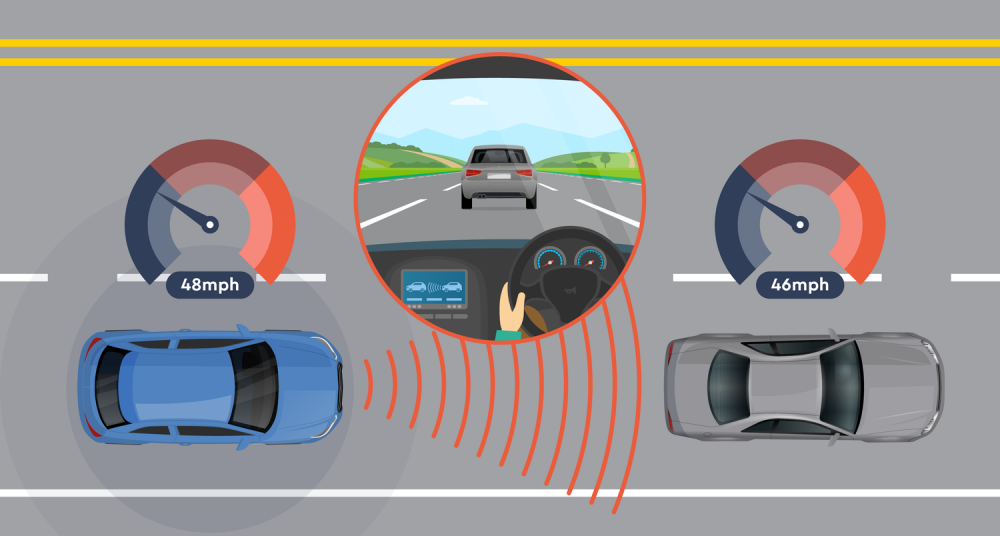
It allows the driver to set a desired speed and maintain it without having to keep their foot on the accelerator pedal. Once activated, the system uses electronic sensors to monitor the speed of the vehicle and automatically adjusts the throttle to maintain a constant speed. Adaptive cruise control systems vary in sophistication from carmaker to carmaker and sometimes even model to model. For example, Genesis calls it Smart Cruise Control, while BMW identifies it as Distance Control.
Standard Cruise Control
Today, the average price point of cars with this type of feature as standard is approximately $60,000, so a lot of cars above that price point will feature ACC as standard, primarily European and Asian cars. The great news is that this type of technology is becoming a priority to more manufacturers, who are making it available in more affordable cars. Mazda have it as standard in both their top spec Mazda6 Atenza ($48,510+ORC) and Mazda3 Astina ($38,190+ORC), though it can’t be cost-optioned in lower models. Active Cruise Control was designed with high-volume commuter traffic in mind. Where speeds are constantly changing from 100km/h to a dead stop with not much warning. It only takes one driver not paying attention for 1-2 seconds for an accident to happen.
Subaru EyeSight Adaptive Cruise Control
To find out if your vehicle has this feature, contact your dealer or refer to your vehicle’s equipment list. Please check your Owner’s Manual for more information about features. On some vehicles, you can switch between cruise control modes by pressing and holding the CANCEL button. The 2021+ KTM 1290 Super Adventure S has active cruise control. The Ducati Multistrada V4 was actually the first motorcycle on the market with adaptive cruise control, but the difference was minor (just bragging rights).
New Automotive Night Vision ADAS Technology Illuminates Driving at Night
One interesting thing is that on motorcycles with electronic quick shifters (most of the bikes in this list), you can shift gears and it won’t disengage adaptive cruise control, as long as you use the quick shifter. Manufacturers have different ways of setting the comfortable follow distance of the active cruise control system. This also applies to the front collision warning system that comes with ACC. If you get an alert that you’re approaching something too quickly, it’s up to YOU to apply the brakes or to swerve. ICC systems can also recognize lane markings and keep the car centred within the lane, providing additional safety and convenience benefits. Some ICC systems can even detect and respond to pedestrians and other obstacles, providing an added layer of safety.
If a vehicle is going more slowly, it keeps at a safe distance; and if that vehicle speeds up or gets out of the way, the bike resumes its speed. But the safety control system doesn’t just take inputs from the radars. It still takes input from everything else on the bike — the inertial measurement units, the wheel speed sensors, and of course the engine. All of those are important inputs for the cruise control and related systems. The origins of normal cruise control go back to 1948, when Ralph Teetor invented the speedostat. Having greatly improved since, its focus on throttle control is still central to automation today.
Indian Motorcycles with Adaptive Cruise Control — coming soon
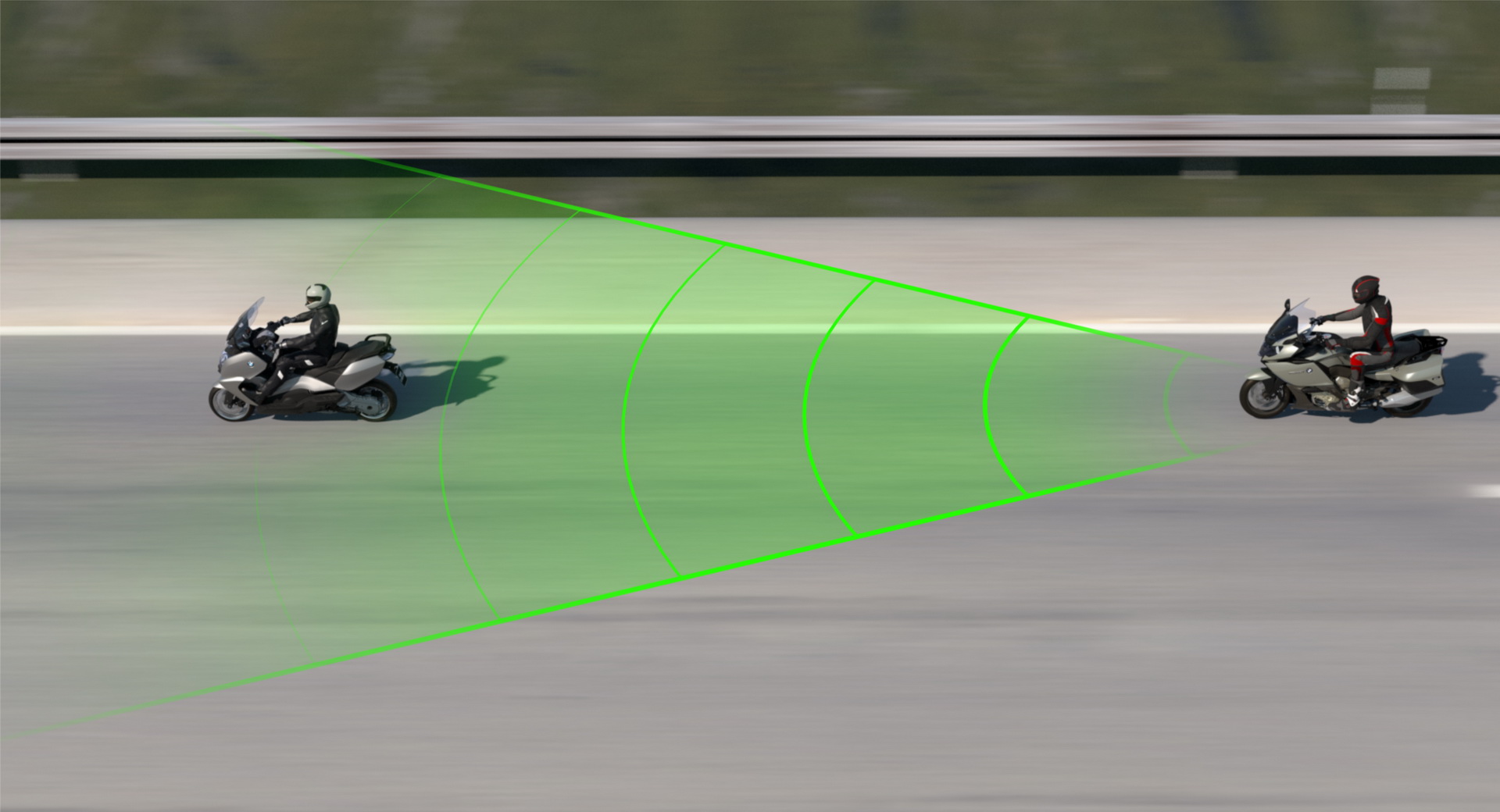
It senses when that traffic flow slows or stops, reacting to maintain the preset following distance. Radar-based ACC is often sold together with a precrash system,[43] which warns the driver and/or provides brake support if there is a high risk of a collision. Also in certain cars, it is incorporated with a lane maintaining system which provides a power steering assist to reduce steering input burden on corners when the cruise control system is activated. Such systems may use a radar, laser sensor or a camera setup allowing the vehicle to brake when it detects the car is approaching another vehicle ahead, then accelerate when traffic allows it to. As I mentioned above, in principle, you set the speed and let the system figure out if it’s safe to keep going at that speed.
All of a sudden once the road is clear the car will accelerate… and that might take you by surprise. But overall, ACC is very useful because it means you don’t need to fiddle with the cruise control when driving in heavy traffic on freeways. Cruise control is a system that allows the driver to set their car to drive at a specific speed. The driver selects the speed, then takes their foot off the accelerator, and the vehicle will cruise at the set speed. To deactivate, the driver can tap the brakes or disengage the system.
In addition, speed limiters can help improve fuel efficiency and reduce wear and tear on the vehicle’s engine and brakes. When traffic slows down or comes to a stop, the Stop-and-Go Cruise Control system automatically applies the brakes to bring the car to a complete stop. When the traffic ahead starts moving again, the system automatically accelerates the car to follow the flow of traffic. Modern vehicles offer various types of cruise control systems to assist drivers in maintaining a steady speed.
ACC technology is regarded as a key component of future generations of intelligent cars. The technology enhances passenger safety and convenience as well as increasing road capacity by maintaining optimal separation between vehicles and reducing driver errors. Standard cruise control is the most basic form of speed control system that has been around for several decades.
Cars with Adaptive Cruise Control: Everything You Need to Know - Car and Driver
Cars with Adaptive Cruise Control: Everything You Need to Know.
Posted: Mon, 13 Apr 2020 22:51:37 GMT [source]
These features are usually activated using a button on the steering wheel with the image of a car next to a speedometer with an arrow pointing at it. A conventional cruise control system does not automatically keep a set distance away from the car in front, and it is indicated by a similar logo without the car next to the speedometer. A tip to know if your car has adaptive cruise control or regular cruise control is to look for the “gap distance” button, which usually shows a symbol of a car with horizontal distance bars in front. This button will determine how much space your car leaves between its front bumper and the rear of the car it is following. A speed limiter is a type of speed control system that is designed to limit the maximum speed of a vehicle.
A few internal calculations and your vehicle can tell the car’s distance and speed. Data from the radar distance sensors and the vehicle speed sensors are used to adjust your speed and keep your car a set distance from the one ahead of you. The systems use lasers, radar, cameras, or a combination of those.
The longitudinal and lateral control systems working together leads to autonomous driving, the next mobility revolution, which is expected to evolve rapidly over the next decade. By monitoring other vehicles and objects on the road, adaptive cruise control enables a safe and comfortable driving experience. It does so by helping the driver keep a steady vehicle speed at a given moment. The driver can set their preference regarding certain factors, such as the distance to the car in front, driving mode – for example, economical, sporty or comfortable – and others.
If the vehicle in front slows, so does your car – automatically! ACC reduces the constant manual braking and acceleration required in heavy traffic. “With adaptive cruise control, eyesight can help you stay with the flow of traffic. When you set cruise control, you can select from up to four present following distances. EyeSight watches ahead and if it detects traffic is slowing, adaptive cruise control adjusts your speed accordingly to keep your selected distance. Once traffic starts moving faster, it can automatically accelerate back up to your set speed.


No comments:
Post a Comment